


As a supplier of jigsaw puzzle cards, I've witnessed firsthand the joy and engagement these colorful pieces bring to people of all ages. However, one common concern among puzzle enthusiasts and collectors is the fading of these cards over time. Fading not only diminishes the aesthetic appeal of the puzzles but can also affect their resale value and long - term enjoyment. In this blog, I'll share some effective strategies to prevent jigsaw puzzle cards from fading, ensuring that your customers can enjoy vibrant and long - lasting puzzles.
Understanding the Causes of Fading
Before delving into prevention methods, it's crucial to understand what causes jigsaw puzzle cards to fade. The primary culprits are sunlight, humidity, and poor storage conditions.
Sunlight contains ultraviolet (UV) rays, which are particularly harmful to the pigments used in printing puzzle cards. When exposed to UV rays, these pigments can break down, resulting in color loss and fading. Prolonged exposure to direct sunlight can accelerate this process, causing significant damage to the puzzle cards in a relatively short period.
Humidity can also have a detrimental effect on puzzle cards. High humidity levels can cause the paper to warp, and in some cases, promote the growth of mold and mildew. These factors can not only damage the physical structure of the cards but also affect the integrity of the printed colors, leading to fading.
Poor storage conditions, such as storing puzzle cards in a hot, damp, or poorly ventilated area, can exacerbate the effects of sunlight and humidity. Additionally, improper handling, such as touching the cards with dirty or oily hands, can transfer substances that may cause discoloration over time.

Preventive Measures
1. Limit Sunlight Exposure
One of the most effective ways to prevent fading is to limit the puzzle cards' exposure to sunlight. When displaying puzzles, choose a location that is away from direct sunlight. If you must display them near a window, consider using curtains or blinds to block out the sun during peak hours.
For storage, keep the puzzle cards in a dark place, such as a closet or a storage box. If you're using a clear plastic storage container, make sure it is UV - resistant to protect the cards from UV rays. You can also use archival - quality storage boxes, which are designed to block out light and protect the contents from environmental damage.
2. Control Humidity
Maintaining optimal humidity levels is essential for preserving the quality of jigsaw puzzle cards. The ideal humidity range for storing paper products is between 30% and 50%. You can use a hygrometer to monitor the humidity levels in your storage area.
If the humidity is too high, you can use a dehumidifier to remove excess moisture from the air. On the other hand, if the air is too dry, you can use a humidifier to add moisture. This helps prevent the paper from drying out and cracking, which can also contribute to fading.
3. Proper Storage
Proper storage is key to preventing fading. When storing puzzle cards, keep them in a cool, dry, and well - ventilated area. Avoid storing them in basements, attics, or garages, as these areas are often subject to extreme temperature and humidity fluctuations.
Store the puzzle cards in a flat position to prevent warping. You can stack them neatly in a storage box or use individual sleeves to keep them separated. Archival - quality sleeves are a great option as they are made from materials that are acid - free and lignin - free, which helps protect the cards from chemical damage.
4. Use High - Quality Materials
As a supplier, I always ensure that we use high - quality materials in the production of our jigsaw puzzle cards. The type of paper and ink used can have a significant impact on the cards' resistance to fading.
We use acid - free and lignin - free paper, which is more durable and less prone to yellowing and fading over time. Additionally, we invest in high - quality inks that are fade - resistant. These inks are formulated to withstand the effects of sunlight, humidity, and other environmental factors, ensuring that the colors remain vibrant for longer.
5. Proper Handling
Educating your customers on proper handling techniques is also important. Encourage them to wash their hands before handling the puzzle cards to avoid transferring dirt, oil, or moisture. When assembling or disassembling the puzzles, use gentle pressure to avoid scratching or damaging the cards.
Our Product Range
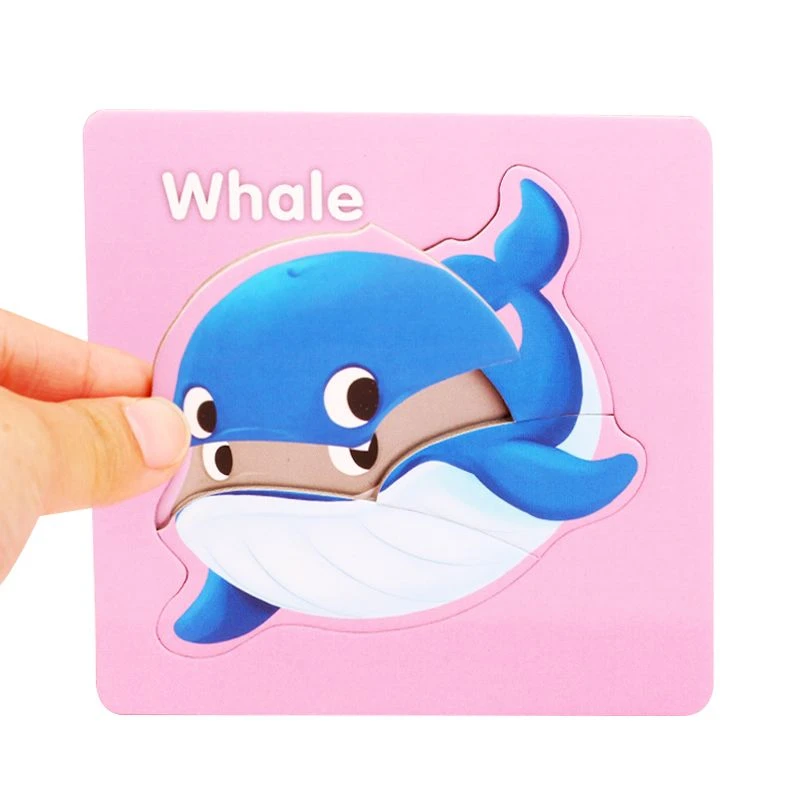
At our company, we offer a wide range of jigsaw puzzle cards to suit different interests and age groups. Our Animal Jigsaw Puzzle Cards feature beautiful illustrations of various animals, providing an educational and entertaining experience for both children and adults. The Children's Jigsaw Puzzle Cards are designed with bright colors and simple designs, making them perfect for young kids to develop their cognitive and motor skills. And for those looking for a more challenging experience, our Double - sided Puzzle Cards offer two different puzzles on each card, doubling the fun.
Conclusion
Preventing jigsaw puzzle cards from fading requires a combination of proper storage, handling, and the use of high - quality materials. By following the preventive measures outlined above, you can ensure that your customers' puzzle cards remain vibrant and beautiful for years to come.
If you're interested in purchasing our high - quality jigsaw puzzle cards or have any questions about our products, we'd love to hear from you. Contact us to start a discussion about your specific needs and how we can provide the best jigsaw puzzle card solutions for you.
References
- "Preserving Paper Documents: A Guide to Good Practice" by the National Archives of the United Kingdom.
- "The Chemistry of Color Fading in Art and Antiques" by various authors in conservation science journals.
- Industry research on the effects of environmental factors on printed materials.


