


Adding pages to a hardcover notebook can be a practical and creative way to extend its lifespan and functionality. As a hardcover notebook supplier, I've encountered numerous customers who are eager to learn how to perform this task effectively. In this blog, I'll share some detailed and practical methods to help you add pages to your hardcover notebook.
Understanding the Structure of a Hardcover Notebook
Before you start adding pages, it's essential to understand the basic structure of a hardcover notebook. A typical hardcover notebook consists of a hard outer cover, a spine, and signatures. Signatures are groups of pages that are folded and sewn together. The way the signatures are attached to the spine determines the method you'll use to add pages.
Methods for Adding Pages
Method 1: Using Ring Binders
One of the simplest ways to add pages to a hardcover notebook is by using ring binders. This method is suitable for notebooks that have a loose - leaf design or can be easily modified to accommodate rings.
- Prepare the Notebook: First, check if your hardcover notebook has pre - punched holes or if you can punch holes in it. If there are no holes, you'll need a hole puncher. Make sure to punch holes at regular intervals along the side of the pages where you want to insert them.
- Select the Rings: Choose the appropriate size of ring binders. The size should match the number of pages you want to add and the width of the holes you've punched. You can find ring binders in various sizes at office supply stores.
- Insert the Pages: Place the new pages on the ring binders and then attach the ring binders to the existing notebook. This way, you can easily add or remove pages as needed.
This method is great for those who need to frequently update their notebooks, such as students or professionals who take a lot of notes. For example, if you're a student taking multiple courses, you can use this method to keep all your notes organized in one notebook.
Method 2: Sewing the Pages In
If your hardcover notebook has a traditional sewn - signature construction, you can sew new pages into the existing signatures.
- Gather Your Materials: You'll need a strong thread, a needle, and a pair of scissors. The thread should be thick enough to hold the pages securely but not too thick that it's difficult to sew.
- Prepare the New Pages: Fold the new pages into signatures of the same size as the existing ones in the notebook. Make sure the folds are neat and even.
- Sew the Pages: Carefully align the new signatures with the existing ones. Start sewing at the spine of the notebook, using a simple running stitch. Make sure to sew through all the layers of the signatures. You can refer to online tutorials for detailed sewing techniques.
- Trim the Thread: Once you've sewn all the pages together, trim the excess thread.
This method gives your notebook a more professional and durable look. It's ideal for notebooks that you want to keep for a long time, such as journals or sketchbooks.
Method 3: Using Adhesive
Another option is to use adhesive to attach new pages to the existing notebook.
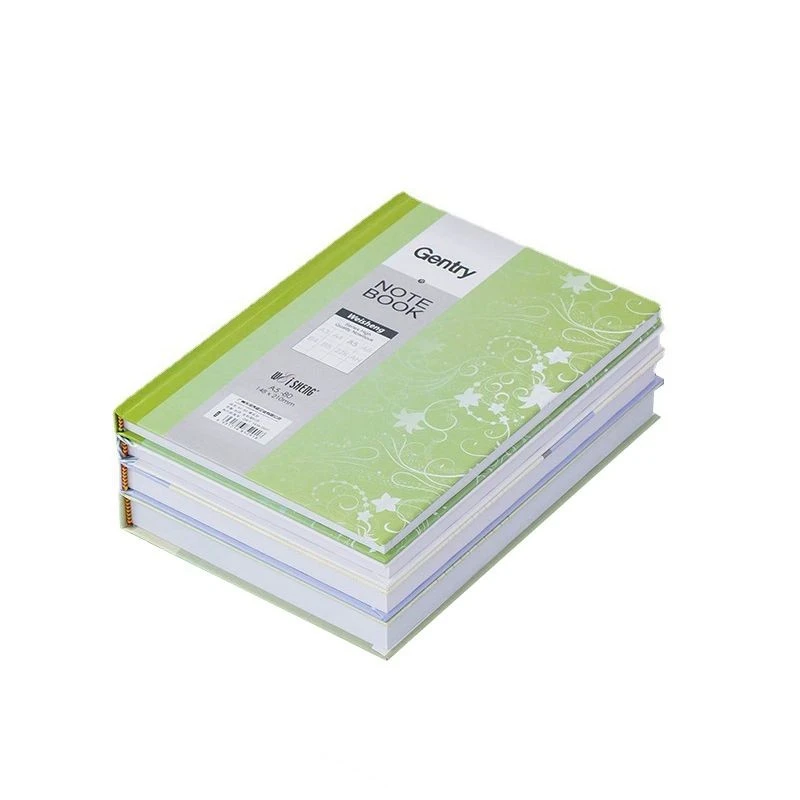

- Choose the Right Adhesive: Select a strong, archival - quality adhesive that won't damage the paper over time. Glue sticks or rubber cement can be good choices.
- Apply the Adhesive: Apply a thin layer of adhesive to the edge of the new pages. Make sure to spread the adhesive evenly to avoid any lumps or bumps.
- Attach the Pages: Carefully place the new pages on the existing notebook, aligning them properly. Press the pages firmly to ensure a good bond.
- Let it Dry: Allow the adhesive to dry completely before using the notebook. This may take a few hours, depending on the type of adhesive you've used.
This method is quick and easy, but it may not be as durable as sewing. It's suitable for adding a small number of pages or for temporary additions.
Tips for Adding Pages
- Match the Paper Quality: When adding new pages, try to use paper of the same quality as the existing ones in the notebook. This will ensure a consistent look and feel.
- Keep the Alignment: Whether you're using ring binders, sewing, or adhesive, make sure the new pages are properly aligned with the existing ones. This will make the notebook look neat and professional.
- Test the Method First: If you're unsure about a particular method, test it on a few scrap pages first. This will help you avoid any mistakes on your actual notebook.
Our Hardcover Notebook Products
As a hardcover notebook supplier, we offer a wide range of high - quality hardcover notebooks. Our 25K Hardcover Notebook is a popular choice among students and professionals. It has a sturdy hardcover and high - quality paper that can withstand frequent use.
Our Office Hardcover Notebook is designed specifically for office use. It comes with a variety of features, such as page markers and pen loops, to make your work more convenient.
If you're looking for a stylish notebook, our Blue Hardcover Notebook is a great option. It has a beautiful blue cover that will make it stand out.
Contact Us for Procurement
If you're interested in purchasing our hardcover notebooks or have any questions about adding pages to notebooks, we'd love to hear from you. Whether you're a retailer looking to stock our products or an individual in need of a high - quality notebook, we can provide you with the best solutions. Reach out to us to start a procurement discussion and find the perfect notebooks for your needs.
References
- "The Art of Bookbinding" by Daniel Kelm
- Office supply store guides on notebook customization
- Online tutorials on sewing and bookbinding techniques


