


Embarking on the journey of jigsaw puzzles can be an incredibly rewarding experience for beginners. As a seasoned jigsaw puzzle cards supplier, I've witnessed firsthand the joy and satisfaction that comes from finding the perfect set of puzzle cards. In this blog post, I'll share valuable insights on how to choose the right jigsaw puzzle cards for those just starting out.
Consider the Difficulty Level
One of the most crucial factors to consider when selecting jigsaw puzzle cards for beginners is the difficulty level. Starting with a puzzle that is too challenging can quickly lead to frustration and discourage newcomers from continuing. On the other hand, a puzzle that is too easy may not provide enough stimulation or a sense of accomplishment.
For beginners, it's advisable to choose puzzles with a relatively low number of pieces. Puzzles with 30 to 100 pieces are ideal as they are manageable and can be completed within a reasonable amount of time. As the beginner gains more experience and confidence, they can gradually move on to puzzles with a higher number of pieces.
Another aspect of difficulty level to consider is the shape and complexity of the puzzle pieces. Puzzles with simple, straightforward shapes are easier to assemble than those with irregular or intricate shapes. Additionally, puzzles with fewer variations in color and pattern can also be less challenging for beginners.
Choose an Engaging Theme
The theme of the jigsaw puzzle cards can greatly enhance the overall experience for beginners. Selecting a theme that the beginner is interested in or passionate about can make the puzzle more engaging and enjoyable. Whether it's animals, landscapes, famous artworks, or characters from a favorite movie or TV show, there are countless themes to choose from.
For children, themes such as Children's Jigsaw Puzzle Cards featuring popular cartoon characters or educational themes like Children's Educational Puzzle Cards can be particularly appealing. These types of puzzles not only provide entertainment but also offer educational benefits, such as improving cognitive skills and learning about different subjects.

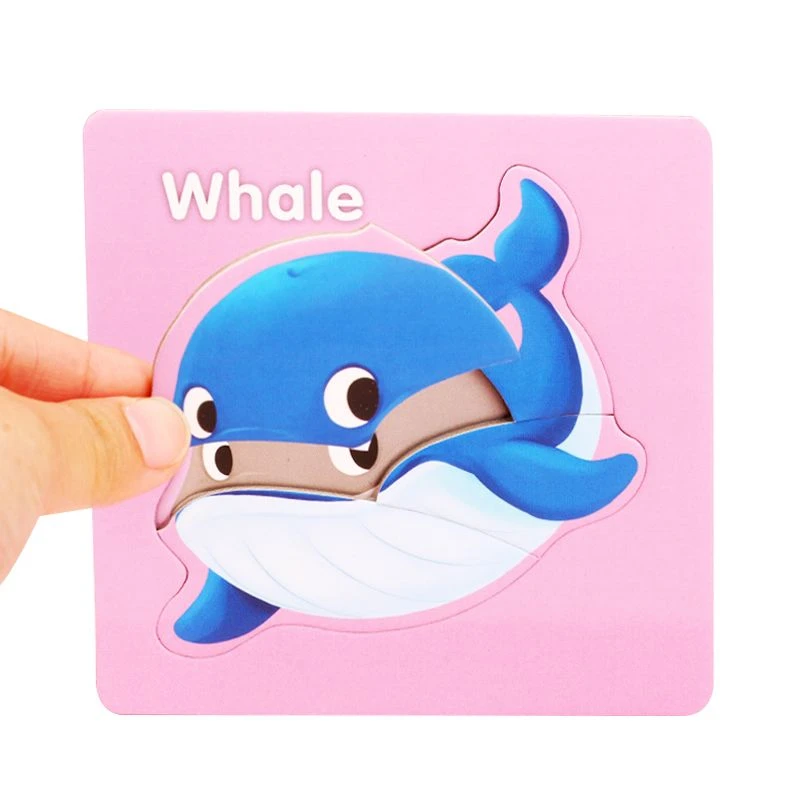
For adults, themes that align with their hobbies or interests can make the puzzle more meaningful. For example, someone who loves nature may enjoy a puzzle featuring a beautiful landscape, while a history buff may prefer a puzzle depicting a famous historical event.
Evaluate the Quality of the Puzzle Cards
The quality of the jigsaw puzzle cards is another important consideration. High-quality puzzle cards are made from durable materials that are less likely to break or warp during the assembly process. They also have a smooth finish and precise cuts, which make the pieces fit together snugly and create a more satisfying puzzle-solving experience.
When evaluating the quality of the puzzle cards, pay attention to the thickness of the cardboard. Thicker cardboard is generally more durable and less prone to damage. Additionally, look for puzzle cards that are made from high-quality printing materials to ensure that the colors are vibrant and the image is clear.
Another aspect of quality to consider is the packaging of the puzzle cards. A well-designed and sturdy box can protect the puzzle pieces during storage and transportation. It should also include a clear picture of the completed puzzle on the front, which can serve as a reference during the assembly process.
Consider the Size of the Puzzle
The size of the jigsaw puzzle cards is an important factor to consider, especially if the beginner has limited space to work on the puzzle. Puzzles come in a variety of sizes, from small, portable sets that can be easily carried around to large, wall-mounted puzzles that require a significant amount of space.
For beginners, it's advisable to choose a puzzle that is a manageable size. A puzzle with a smaller number of pieces and a compact size is easier to handle and can be completed on a tabletop or a small work surface. As the beginner gains more experience and confidence, they can gradually move on to larger puzzles.
Look for Additional Features
Some jigsaw puzzle cards come with additional features that can enhance the puzzle-solving experience. For example, Double-sided Puzzle Cards offer two different puzzles in one set, providing twice the fun and challenge. These types of puzzles are great for beginners who want to try something new and different.
Other additional features to look for include puzzle cards with glow-in-the-dark elements, 3D effects, or interactive elements. These types of puzzles can add an extra level of excitement and entertainment to the puzzle-solving experience.
Conclusion
Choosing the right jigsaw puzzle cards for beginners is a personal decision that depends on a variety of factors, including the difficulty level, theme, quality, size, and additional features. By considering these factors and selecting a puzzle that is engaging, challenging, and of high quality, beginners can have a rewarding and enjoyable puzzle-solving experience.
As a jigsaw puzzle cards supplier, I'm committed to providing high-quality puzzle cards that meet the needs and preferences of beginners. If you're interested in purchasing jigsaw puzzle cards for yourself or someone else, I encourage you to explore our wide selection of puzzles and contact us for more information. We're happy to assist you in finding the perfect puzzle for your needs.
References
- "The Benefits of Jigsaw Puzzles for Beginners." Psychology Today.
- "How to Choose the Right Jigsaw Puzzle." The Spruce Crafts.
- "Jigsaw Puzzle Buying Guide." Consumer Reports.


