


As a seasoned corrugated box supplier, I've witnessed firsthand the challenges that come with protecting these essential packaging solutions from moisture in damp environments. Corrugated boxes are widely used across various industries due to their versatility, strength, and cost - effectiveness. However, moisture can significantly compromise their integrity, leading to issues such as reduced strength, mold growth, and damage to the packaged goods. In this blog, I'll share some practical strategies to safeguard corrugated boxes from moisture in damp conditions.
Understanding the Impact of Moisture on Corrugated Boxes
Before delving into the protective measures, it's crucial to understand how moisture affects corrugated boxes. Corrugated boxes are typically made from paperboard, which is highly absorbent. When exposed to a damp environment, the paperboard absorbs moisture, causing it to weaken. The corrugated structure, which provides the box with its strength and rigidity, becomes less effective as the paper fibers expand and lose their shape.
Moreover, excessive moisture creates a favorable environment for mold and mildew growth. Mold not only damages the box but can also pose health risks, especially if the box is used for food or pharmaceutical products. In addition, moisture can cause the printed labels on the boxes to smudge or peel off, affecting the brand image and product identification.
Selecting the Right Corrugated Box Material
The first step in protecting corrugated boxes from moisture is to choose the appropriate material. There are several types of corrugated board available, each with different moisture - resistance properties.
- Kraft Paper: Kraft paper is a popular choice for corrugated boxes due to its strength and durability. It is made from wood pulp and has a natural resistance to moisture. However, it may not be sufficient in extremely damp environments. For better moisture protection, you can opt for a wax - coated kraft paper. The wax acts as a barrier, preventing moisture from penetrating the paperboard.
- Plastic - Coated Corrugated Board: This type of board has a thin layer of plastic applied to the surface, providing excellent moisture resistance. It is suitable for products that require high - level protection against moisture, such as electronics and perishable goods. However, plastic - coated corrugated boards are more expensive than traditional paper - based boards and may not be as environmentally friendly.
- Water - Resistant Corrugated Board: Some manufacturers produce corrugated boards that are specifically designed to be water - resistant. These boards are treated with chemicals or additives that repel water, reducing the absorption of moisture. They are a good option for applications where the boxes will be exposed to occasional moisture, such as outdoor storage or transportation in humid conditions.
For example, our BE Corrugated Box is made from high - quality kraft paper with a special moisture - resistant coating. It offers a good balance between strength, cost, and moisture protection, making it suitable for a wide range of applications.
Applying Moisture - Barrier Coatings
In addition to choosing the right material, applying moisture - barrier coatings to the corrugated boxes can provide an extra layer of protection. There are several types of coatings available, each with its own advantages and disadvantages.
- Wax Coatings: Wax coatings are one of the most common moisture - barrier coatings for corrugated boxes. They are relatively inexpensive and easy to apply. Wax can be applied to the surface of the box using a spray, brush, or dipping method. Once applied, the wax forms a waterproof layer that prevents moisture from entering the box. However, wax coatings may not be suitable for all applications, as they can make the boxes slippery and may not be compatible with some printing inks.
- Polyethylene Coatings: Polyethylene is a type of plastic that can be applied to the corrugated board as a coating. It provides excellent moisture resistance and is also resistant to abrasion and chemicals. Polyethylene coatings are more durable than wax coatings and can be used in a wider range of environments. However, they are more expensive and may require special equipment for application.
- Acrylic Coatings: Acrylic coatings are another option for moisture protection. They are water - based and environmentally friendly. Acrylic coatings can be applied to the surface of the box using a roller or spray gun. They provide a clear, protective layer that enhances the appearance of the box while also preventing moisture from penetrating. However, acrylic coatings may not be as effective as wax or polyethylene coatings in extremely damp conditions.
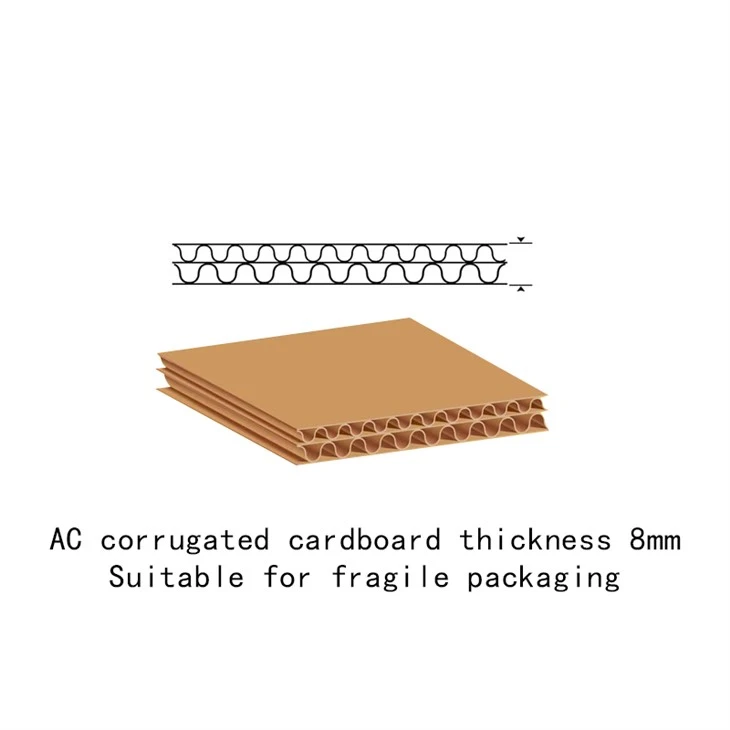
Our AC Corrugated Box is treated with a high - performance acrylic coating. This coating not only provides excellent moisture protection but also enhances the box's printability and surface finish.
Proper Storage and Handling
Proper storage and handling of corrugated boxes are essential to prevent moisture damage. Here are some tips to keep in mind:
- Store in a Dry Location: The storage area should be dry and well - ventilated. Avoid storing the boxes in basements, attics, or areas prone to flooding. If possible, use a dehumidifier to maintain the relative humidity in the storage area below 60%.
- Elevate the Boxes: Place the corrugated boxes on pallets or racks to keep them off the ground. This helps to prevent moisture from seeping into the boxes from the floor.
- Protect from Rain and Snow: If the boxes are stored outdoors, cover them with a waterproof tarp or plastic sheeting. Make sure the covering is secure and does not allow water to pool on top of the boxes.
- Handle with Care: When handling the boxes, avoid exposing them to excessive moisture. For example, do not stack wet boxes on top of dry ones, and do not use wet hands to handle the boxes.
Using Desiccants
Desiccants are substances that absorb moisture from the air. They can be used inside the corrugated boxes to reduce the humidity level and protect the contents from moisture damage.
- Silica Gel: Silica gel is a common desiccant used in packaging. It is a porous material that can absorb up to 40% of its weight in moisture. Silica gel packets are often placed inside the boxes to keep the air dry. They are non - toxic and can be easily replaced when they become saturated.
- Activated Carbon: Activated carbon is another type of desiccant that can absorb moisture and odors. It is made from carbonaceous materials such as wood, coal, or coconut shells. Activated carbon can be used in combination with silica gel to provide enhanced moisture and odor control.
- Calcium Chloride: Calcium chloride is a highly effective desiccant that can absorb large amounts of moisture. It is often used in industrial applications where high - level moisture protection is required. However, calcium chloride is a corrosive substance and should be used with caution.
For our White Corrugated Mailer Boxes, we often recommend including a small silica gel packet inside the box to provide additional moisture protection during transit.
Conclusion
Protecting corrugated boxes from moisture in a damp environment is a multi - faceted challenge that requires a combination of the right material selection, moisture - barrier coatings, proper storage and handling, and the use of desiccants. By implementing these strategies, you can ensure that your corrugated boxes maintain their strength and integrity, protecting your products from moisture damage and ensuring customer satisfaction.

If you are interested in learning more about our corrugated box products or need advice on moisture protection, please feel free to contact us for a detailed discussion. We are committed to providing high - quality packaging solutions that meet your specific needs.
References
- "Corrugated Packaging Handbook" by The Fibre Box Association
- "Moisture Management in Packaging" by Packaging Digest
- "Principles of Packaging Technology" by Wilmer A. Jenkins and James P. Harrington


