


As a supplier of white cardboard boxes, I often get asked about the materials used in these versatile packaging solutions. White cardboard boxes are a popular choice for various industries due to their clean appearance, durability, and printability. In this blog post, I'll delve into the materials that make up white cardboard boxes, their properties, and how they contribute to the overall quality of the packaging.
The Basics of White Cardboard
White cardboard is a type of paperboard that is characterized by its white surface. It is typically made from a combination of chemical pulp and mechanical pulp, which are derived from wood fibers. The chemical pulp is obtained through a chemical process that removes most of the lignin from the wood, resulting in a high-quality, bright, and strong fiber. Mechanical pulp, on the other hand, is produced by grinding wood chips, which retains more of the lignin and gives the paper a darker color and lower strength.
The ratio of chemical pulp to mechanical pulp in white cardboard can vary depending on the desired properties of the final product. Higher-quality white cardboard boxes usually contain a higher percentage of chemical pulp, which provides better printability, strength, and whiteness. In contrast, boxes with a higher proportion of mechanical pulp may be more cost-effective but may have a slightly lower quality appearance.
Types of Materials Used in White Cardboard Boxes
Chemical Pulp
Chemical pulp is the primary material used in the production of high-quality white cardboard boxes. It is made from softwood or hardwood trees, such as pine, spruce, or eucalyptus. The chemical pulping process involves treating the wood chips with chemicals, such as sodium hydroxide and sodium sulfide, to break down the lignin and separate the fibers. This results in a pulp that is bright, strong, and free of impurities.
The use of chemical pulp in white cardboard boxes offers several advantages. Firstly, it provides excellent printability, allowing for high-resolution graphics and sharp text to be printed on the box surface. Secondly, it has good strength and stiffness, which helps to protect the contents of the box during transportation and storage. Finally, chemical pulp is environmentally friendly, as it can be recycled multiple times without significant loss of quality.
Mechanical Pulp
Mechanical pulp is often used in combination with chemical pulp to reduce the cost of production. It is made by grinding wood chips into fibers using mechanical methods, such as refining or pressurized refining. Unlike chemical pulp, mechanical pulp retains most of the lignin in the wood, which gives it a darker color and lower strength.
The addition of mechanical pulp to white cardboard boxes can have both positive and negative effects. On the one hand, it can reduce the cost of the box without significantly compromising its strength and appearance. On the other hand, it may reduce the printability of the box and make it more prone to yellowing over time. Therefore, the amount of mechanical pulp used in white cardboard boxes is carefully controlled to ensure a balance between cost and quality.
Coating Materials
In addition to the pulp materials, white cardboard boxes may also be coated with various substances to improve their performance and appearance. Coating materials can be applied to the surface of the cardboard to provide a smooth, glossy finish, enhance the printability, and protect the box from moisture, grease, and other contaminants.
Common coating materials used in white cardboard boxes include clay, polyethylene, and wax. Clay coating is a popular choice for high-quality boxes, as it provides a smooth, white surface that is ideal for printing. Polyethylene coating is often used to make the box waterproof or greaseproof, while wax coating can provide additional protection against moisture and abrasion.
Properties of White Cardboard Boxes
The materials used in white cardboard boxes contribute to their unique properties, which make them suitable for a wide range of applications. Some of the key properties of white cardboard boxes include:
Strength and Stiffness
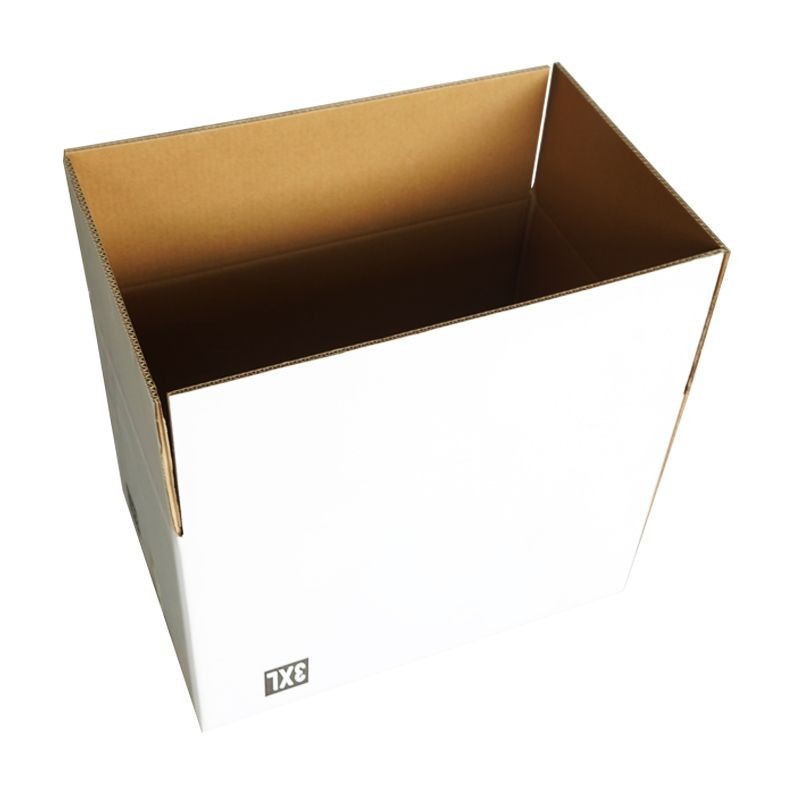
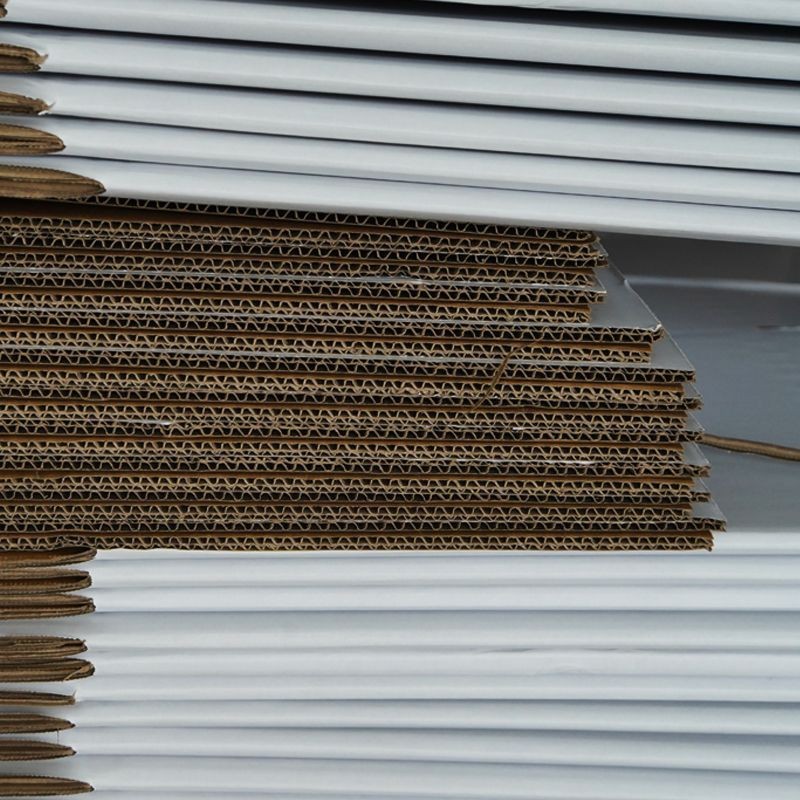
White cardboard boxes are known for their strength and stiffness, which allows them to withstand the rigors of transportation and storage. The use of high-quality chemical pulp and proper manufacturing techniques ensures that the boxes have sufficient strength to support the weight of the contents and resist deformation.
Printability
One of the main advantages of white cardboard boxes is their excellent printability. The smooth, white surface of the cardboard provides an ideal canvas for printing high-resolution graphics, vibrant colors, and sharp text. This makes them a popular choice for packaging products that require eye-catching branding and marketing materials.
Whiteness
The whiteness of white cardboard boxes is another important property that contributes to their aesthetic appeal. The use of chemical pulp and proper bleaching techniques ensures that the boxes have a bright, clean appearance that enhances the visibility of the printed graphics and text.
Moisture Resistance
Depending on the coating materials used, white cardboard boxes can have varying degrees of moisture resistance. Boxes coated with polyethylene or wax are more resistant to moisture and can be used to package products that are sensitive to humidity or require protection from water.
Applications of White Cardboard Boxes
White cardboard boxes are used in a wide range of industries and applications, including:
Food Packaging
White cardboard boxes are commonly used for food packaging due to their clean appearance, printability, and moisture resistance. They are used to package a variety of food products, such as cereals, snacks, chocolates, and bakery items.
Consumer Goods Packaging
Many consumer goods, such as electronics, cosmetics, and household items, are packaged in white cardboard boxes. The high-quality appearance of the boxes helps to enhance the brand image and attract consumers.
Gift Packaging
White cardboard boxes are also popular for gift packaging due to their elegant and sophisticated look. They can be customized with various printing techniques and finishes to create unique and memorable gift boxes.
Conclusion
In conclusion, white cardboard boxes are made from a combination of chemical pulp, mechanical pulp, and coating materials. The use of high-quality materials and proper manufacturing techniques ensures that the boxes have excellent strength, printability, whiteness, and moisture resistance. These properties make white cardboard boxes a versatile and popular choice for a wide range of industries and applications.
If you are interested in purchasing white cardboard boxes for your business, we offer a variety of options to meet your specific needs. You can explore our 250g White Cardboard Box, 200g White Cardboard Box, and 350g White Cardboard Box products on our website. We are committed to providing high-quality packaging solutions at competitive prices. Contact us today to discuss your requirements and start a procurement negotiation.
References
- "Paperboard Packaging: A Guide to Materials and Applications." Paperboard Packaging Council.
- "The Chemistry of Pulp and Paper Manufacturing." TAPPI Press.
- "Packaging Materials: Properties and Selection." Wiley-Blackwell.


